ServicesTrim & Light Care
Roofline Trim and Light Care in Scotia
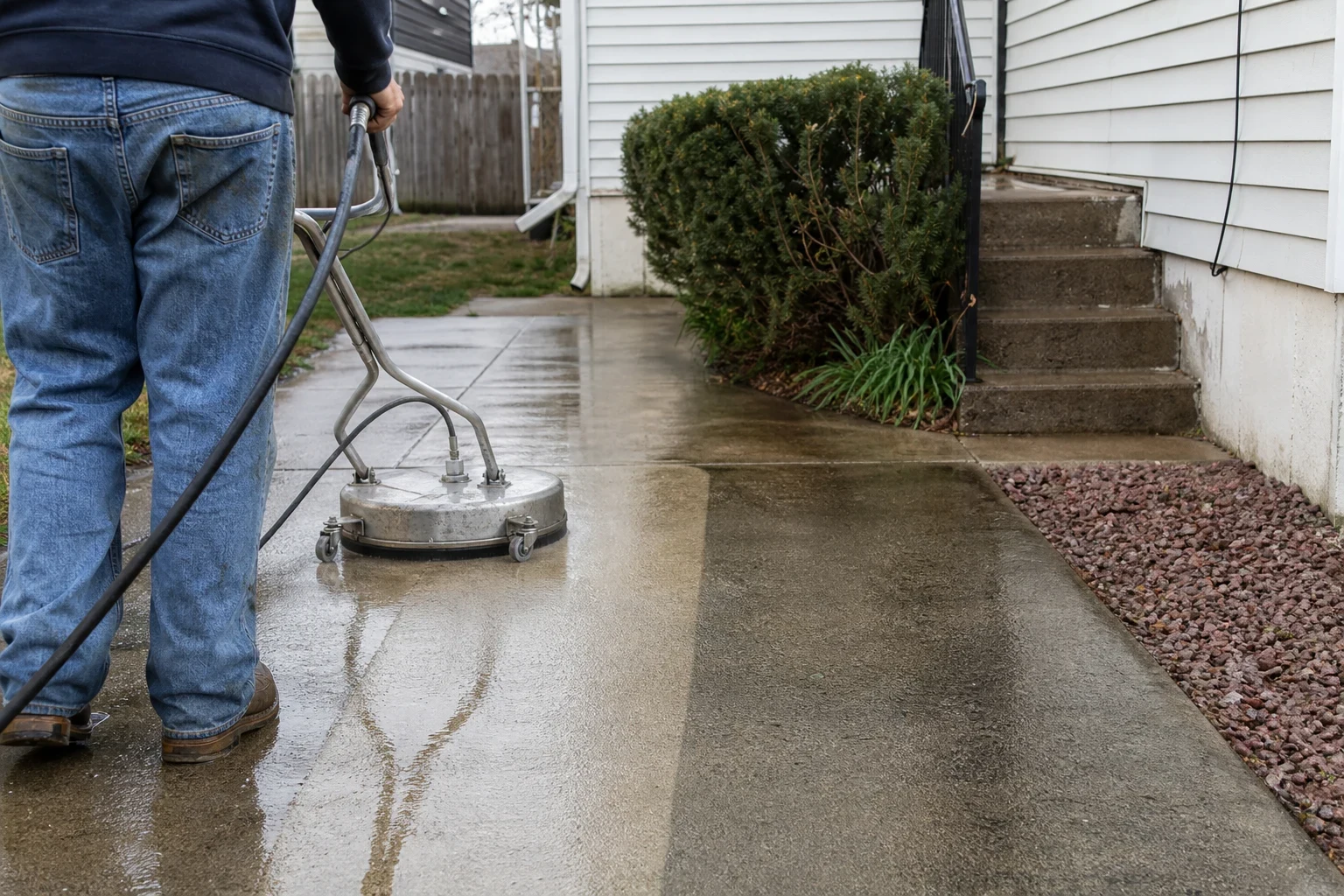
We clean the roofline surfaces that frame your permanent lighting: fascia, soffit trim, the aluminum track and the diffuser lens. Each material gets its own method, so the finish stays intact and the light reads clean and even from the street.
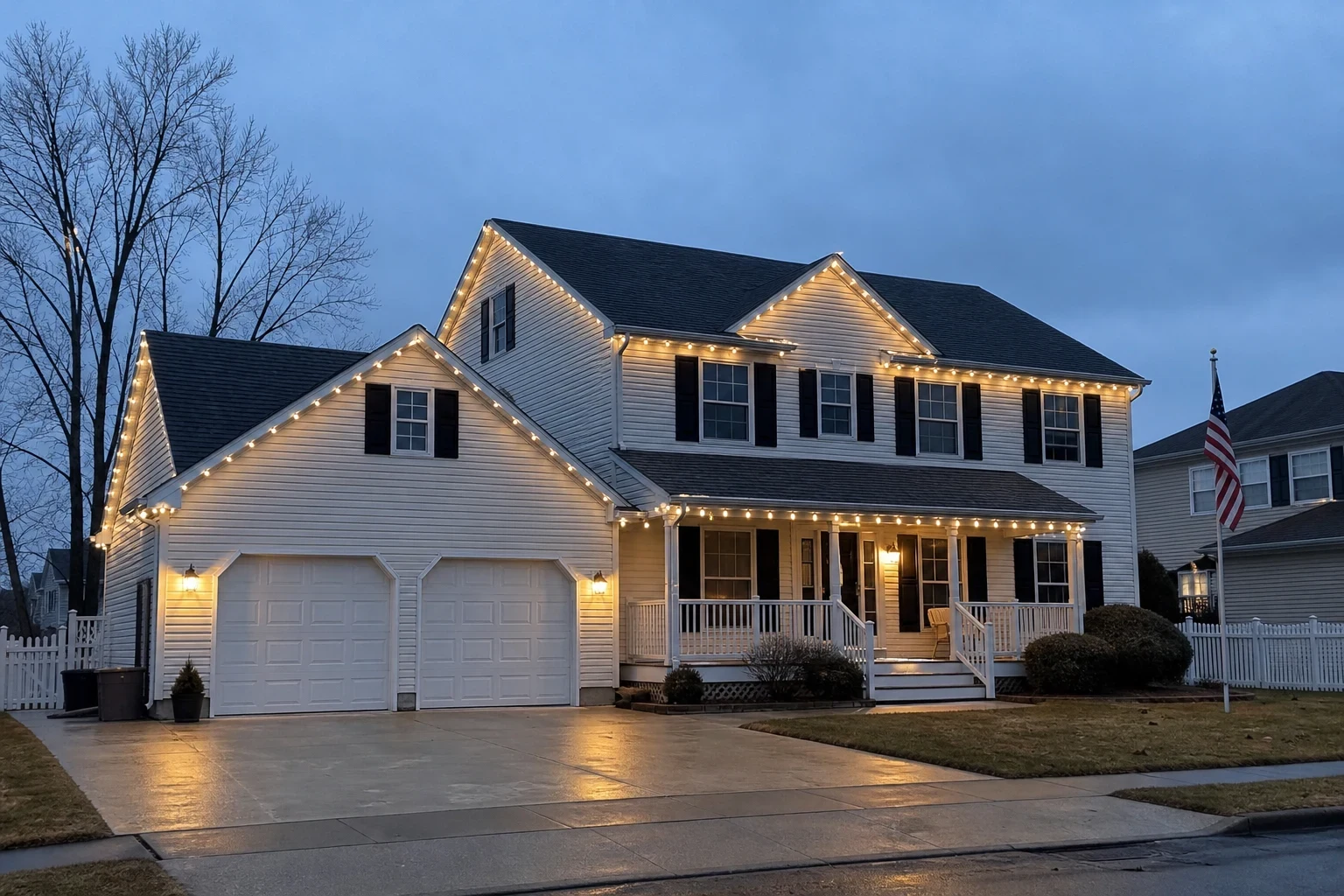
Clean trim, clear light
Permanent lighting lives on the edge of the roof, right where pollen, road film and mildew collect. A gray film on the lens dulls the color you picked in the app. A streaked fascia board behind the track pulls the eye away from the light itself.
This work stays on that roofline band. We clean the trim before a new installation so the track mounts to a sound, clean face, and we come back to existing systems to restore light output and curb appeal. It is careful handwork, not a blast of water.
The right method depends on what your trim is made of. Vinyl, aluminum coil stock and painted wood each react differently to cleaners, brushes and water, and we explain those trade-offs before we start.
What the work covers
- Fascia and trim faces
- We clean the boards the track mounts to and the trim on either side of it. On vinyl we use a mild cleaner and soft brushes, since harsh scrubbing leaves a dull, scuffed patch that shows at night.
- Aluminum lighting track
- The channel holding the lights collects grit along its top edge. We wipe it down by hand and check that end caps and joints are seated.
- Diffuser lenses
- Polycarbonate lenses scratch and haze if they are treated like glass. We use non-abrasive cloths and a cleaner that is safe for plastic, then rinse lightly.
- Soffit edges near the lights
- Spider webs and mildew on the soffit catch the glow and look worse lit than they do by day. We clean the strip closest to the track so the light falls on a clean surface.
- Pre-installation prep
- Before a new permanent lighting install, we clean and dry the mounting surface. Fasteners and sealant hold best on trim that is free of chalk and grime.
Signs your roofline trim needs attention
Colors look washed out
If whites look yellow or reds look muddy, a film on the lens is often the reason. Cleaning usually brings the color back without touching the settings.
Uneven brightness along the run
Sections that look dimmer than their neighbors are often just dirtier, especially on the side of the house that faces the road.
Chalky residue on your hand
Older painted wood and aging aluminum trim can chalk. That powder dulls the finish behind the lights and needs gentle removal before any new track goes up.
Green or black streaks
North-facing trim stays damp and grows mildew. It spreads under and around the track if it is left alone.
A spring buildup after winter
Salt spray, wood smoke and the spring pollen season around Scotia leave a gray layer by May. One careful cleaning resets the look for the year.
How a cleaning day runs
- 1
A walk along the roofline
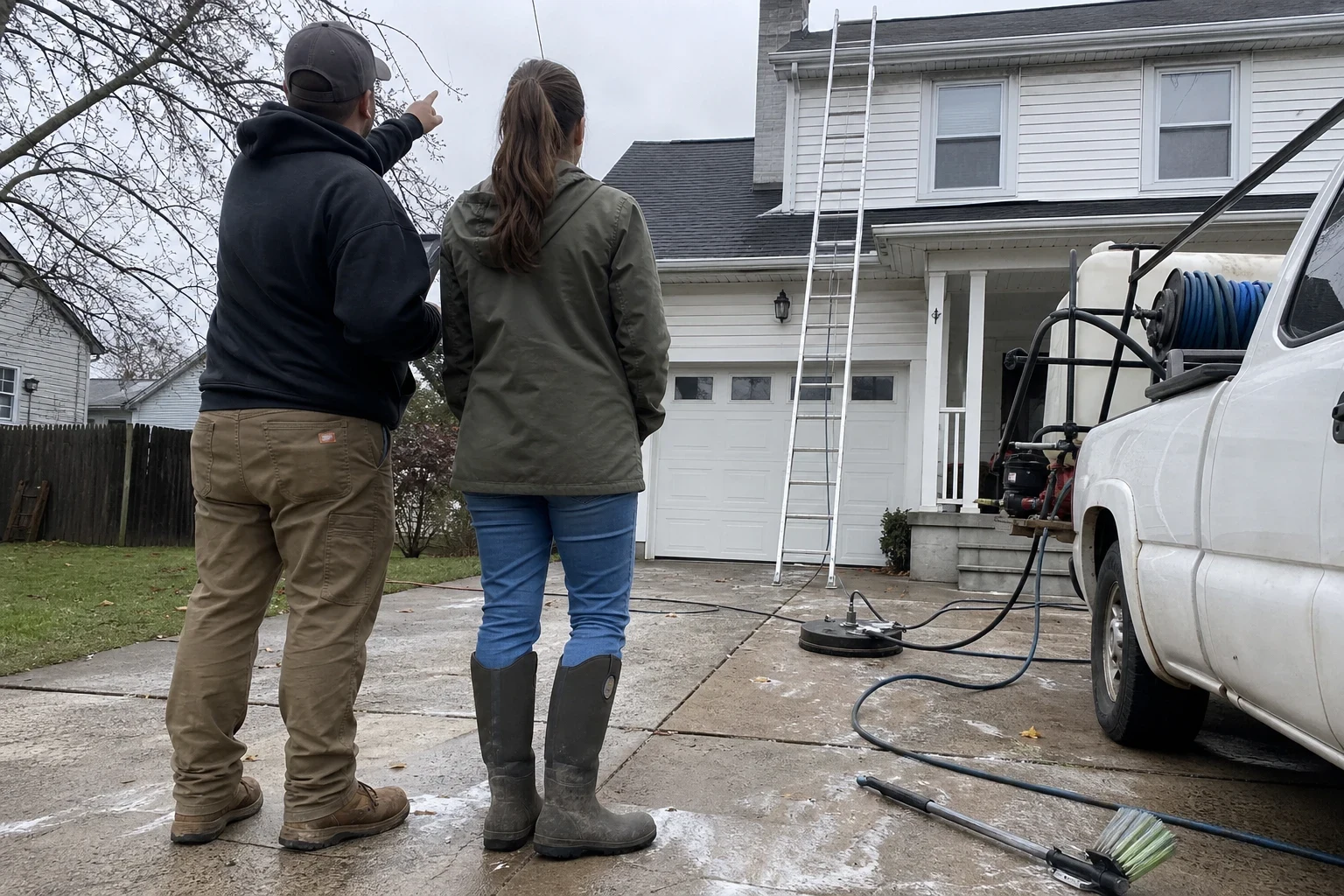
We look at the trim material, the condition of the finish and how the track is mounted. You hear which method we plan to use and why.
- 2
Protecting what is below
We cover plantings and set ladders on pads so they do not mark walkways or lawn. Lights stay powered off while we work.
- 3
Cleaning by material
Vinyl, aluminum and painted wood each get their own cleaner and brush. Lenses are cleaned by hand, one section at a time, and rinsed gently.
- 4
Lights on, then cleanup
Once everything is dry we power the system back on and look along the whole run with you. Then we pack up covers, rags and rinse water and leave the area as we found it.
What shapes the price
Every quote is based on your house and the condition of its trim, so we price after we have seen the roofline. You get a clear breakdown by phone before any work is scheduled.
- Length of the roofline
- More linear feet of trim and track means more time on the ladder.
- Height and access
- A single-story ranch is quicker than a steep two-story gable. Tight side yards and landscaping that limits ladder placement also add time.
- Trim material and its condition
- Sound vinyl cleans quickly. Chalking paint, oxidized aluminum or soft wood need slower, gentler work to protect the finish.
- How heavy the buildup is
- A light pollen film comes off in one pass. Years of mildew on a shaded side takes more care and a second treatment.
Questions about trim and light care
Something not covered here? (518) 754-0664
Do you clean the whole outside of the house?
No. This service stays on the roofline band: fascia, nearby soffit and trim, and the lighting track and lenses. Keeping the work focused lets us give those materials the attention they need.
Will cleaning scratch the light lenses?
Not with the right approach. Polycarbonate scratches under abrasive pads and some household glass cleaners can cloud it, so we use soft cloths and a plastic-safe cleaner. The goal is a clear lens, not a polished one.
How often should the lights and trim be cleaned?
Most homes look their best with one cleaning a year, often in late spring once pollen settles. Shaded or road-facing sides may want attention sooner. We will tell you honestly if yours can wait.
Can you clean my trim before you install permanent lighting?
Yes, and we recommend it when the surface is chalky or stained. A clean, dry face helps the track sit flat and look tidy for years. We can plan it as part of your Permanent Exterior Lighting Installation.
Do I need to be home while you work?
Not for the cleaning itself. We do like to walk the roofline with you at the start and turn the lights on together at the end, so you can see the difference.
See your lights the way they were meant to look
Tell us about your trim and lighting and we will talk through the right method for your materials. The quote costs nothing.